Categories

Why More Women Are Choosing Divorce Than Ever Before? Social

Why More Women Are Choosing Divorce Than Ever Before?

A remarkable story from Kuwait once made headlines around the world. It is considered one of the shortest marriages in history. After a judge completed a couple’s marriage ceremony in a Kuwaiti court, the newlyweds began leaving the courtroom. As they walked out, the bride accidentally slipped. Instead of helping her, the groom mocked her and called her “stupid.”The bride immediately realized the level of respect and importance she held in her husband’s eyes. Within three minutes of the marriage ceremony, she returned to the same judge and requested an annulment. The judge approved her request, and the marriage was dissolved on the spot. When the story spread across social media, many users supported the bride’s decision, arguing that if a person behaves disrespectfully at the very beginning of a marriage, the future of the relationship may be even more troubling.While most couples spend months or even years thinking before deciding to end a marriage, studies show a clear trend in many countries: women are more likely than men to initiate divorce. What are the reasons behind this pattern? Let’s explore some of the key factors.Increased Financial IndependenceOne of the most significant reasons women initiate divorce is their growing financial independence. In the past, many women remained in unhappy or unhealthy marriages because they lacked the financial resources to support themselves and their children.Today, more women have access to education and employment opportunities, allowing them to earn their own income. Economic independence gives women the confidence and ability to leave relationships that are emotionally damaging, unfulfilling, or abusive. They are no longer forced to remain in difficult situations solely for financial security.Lack of Emotional ConnectionMany women enter marriage with expectations of emotional companionship, understanding, and support. However, these expectations are not always met.Relationship experts suggest that women often place a higher value on emotional intimacy and communication within marriage. When they feel unheard, neglected, or emotionally disconnected from their spouses, dissatisfaction can grow over time.Women are also generally more likely to discuss relationship problems openly and recognize signs of distress within a marriage. Because of this awareness, they may be more proactive in addressing issues and, if those issues remain unresolved, more likely to consider separation or divorce.Influence of Friends and FamilyWomen often maintain stronger social support networks than men. They are more likely to have close friends and family members with whom they can openly discuss personal challenges, including marital problems.These support systems can provide emotional guidance, practical advice, and encouragement during difficult times. Having trusted people to turn to may help those who have decided to leave an unhappy marriage feel less overwhelmed and more manageable.In contrast, men are often less likely to seek emotional support from friends, which can affect how they approach marital difficulties.Unequal Household ResponsibilitiesAnother major factor is the unequal distribution of household labor. Even in households where both spouses work full-time, women frequently perform a larger share of domestic tasks such as cooking, cleaning, childcare, and caregiving. Managing a career while carrying most of the household responsibilities can lead to stress, exhaustion, and resentment. When women feel that their efforts are not recognized or that responsibilities are not shared fairly, marital satisfaction may decline.Research consistently shows that couples who share household duties more equally tend to experience healthier and more stable relationships. Fairness and mutual support can significantly reduce conflicts and strengthen marital bonds.Divorce is rarely a simple decision. It is often the result of a combination of emotional, financial, and social factors that develop over time. Women's increasing financial independence, unmet emotional expectations, strong support networks, and unequal household responsibilities all contribute to the higher likelihood of women initiating divorce.However, understanding these factors is not about assigning blame. Instead, it highlights the importance of mutual respect, emotional connection, open communication, and shared responsibilities within marriage. When both partners work together as equals, they create a stronger foundation for a healthy and lasting relationship.

Read More
Rethinking Wedding Culture in the Age of Sustainable Development Social

Rethinking Wedding Culture in the Age of Sustainable Development

Pakistan is a developing country, and like many other developing nations, sustainable development is essential for its progress. As a society, we cannot move forward unless we understand the importance of sustainability and learn how to use our resources wisely.One of the areas where resources are often used excessively in South Asian societies is weddings. A prominent example is the world-famous lavish weddings hosted by the Ambani family. Inspired by such extravagant celebrations, many people feel compelled to spend beyond their means to impress others. Unfortunately, the financial and emotional consequences of these decisions are often borne by the bride and groom for years to come.The Importance of Saving for the FutureAnyone who thinks seriously about their future and the well-being of their family understands the value of saving. People often make sacrifices in the present to secure a better tomorrow. The same mindset should apply to marriage. Instead of prioritizing temporary displays of wealth and social status, couples and families should focus on long-term financial stability. The money spent on unnecessary wedding rituals and extravagant ceremonies could be invested in more meaningful and productive ways.Using Resources More WiselyIn many families, savings for a girl's wedding begin years before the actual event. Imagine the impact if those same funds were invested in a daughter's education, professional training, or a business venture. Such investments could create opportunities and improve quality of life for years to come.Unfortunately, many families still prefer to spend a lifetime's savings on a few days of celebrations. Even if the marriage struggles due to incompatibility or ends shortly after, the pressure to maintain family prestige often takes precedence over practical considerations. In some cases, newly married couples spend years repaying debts incurred for a wedding that lasted only a few days.The Need for Long-Term PlanningTraditional approaches to marriage are still common in our society. In many cases, couples know very little about each other before marriage. Sometimes they have never even met in person, and compatibility is given little consideration. Despite rising divorce rates, enormous amounts of money continue to be spent on wedding ceremonies rather than on building a strong foundation for married life.If families devoted the same energy to understanding compatibility, communication, and future planning as they do to organizing lavish events, many marriages could be stronger and more successful.Small Changes Can Create a Big DifferenceMeaningful change often begins with small steps. The first step is changing our mindset. We need to recognize the value of simplicity and understand that extravagant weddings do not guarantee a successful marriage. Before trying to host an "Ambani-style" wedding, one must first have Ambani-level resources.The wedding ceremony itself is far less important than the success and stability of the marriage that follows. Building a happy and secure future requires thoughtful planning, responsible financial decisions, and a commitment to sustainability. By embracing simplicity and focusing on long-term goals, we can create stronger families, healthier finances, and a more sustainable society for future generations.

Read More
Joint Family System: How Can It Work Better in Pakistan? Social

Joint Family System: How Can It Work Better in Pakistan?

A recent survey in Pakistan revealed an important social insight: around 62% of Pakistanis support the joint family system, considering it a valuable and traditional way of living. Although the joint family system may not be a perfect model in every sense, it still fits well within Pakistan’s current social and economic realities. Unlike Western countries, where nuclear family systems are more common and supported by strong welfare states, Pakistan relies heavily on family-based support systems.However, to make this system truly effective and sustainable, certain practical changes and attitudes are necessary.Parental Fairness and Avoiding BiasOne of the biggest challenges in joint families is parental favoritism or unequal treatment among children. For a successful family structure, parents must ensure fairness in all matters.Children should be taught responsibility from an early age. Older children should be gradually given responsibilities, while younger ones should be prepared for independent life. Financial contributions or earnings should be respected, and property or assets should ideally be registered in the name of the person who has earned or contributed to them. Equal treatment builds trust, reduces jealousy, and strengthens family unity.Avoiding Emotional PressureIn some families, grown-up children who are financially stable are still forced to live together through emotional pressure or blackmail. This often creates resentment and unhappiness.If adult children prefer independent living, they should not be forced to stay together. A peaceful separation is better than a forced unity that leads to daily conflict and emotional stress for everyone.Smart House PlanningA practical solution for modern joint families is proper house design. Homes can be built in a way that allows separate portions or units within the same building.This ensures that families can live together while still maintaining privacy. It reduces interference in each other’s personal lives and helps maintain harmony.Balance of Rights and ResponsibilitiesA successful joint family system requires balance between the rights of parents, siblings, and spouses. No one’s rights should be ignored, especially those of parents.Inheritance and property matters should be handled fairly and transparently. If possible, governments can also help by introducing laws that ensure automatic and fair distribution of inheritance according to Islamic principles, reducing family disputes.The joint family system is deeply rooted in Pakistani culture and continues to provide emotional, financial, and social support. However, its success depends on fairness, respect, privacy, and emotional maturity among family members. If these principles are followed, the joint family system can remain not just a tradition, but a strong and balanced model for modern society.

Read More
Only 5% of Marriages in Pakistan Are Love Marriages: Gallup Survey Social

Only 5% of Marriages in Pakistan Are Love Marriages: Gallup Survey

Marriage is one of the most important decisions a person makes in life. It is the choice of a companion who will share life's joys and challenges, stand by your side through difficult times, and become your partner for the future. Because of its significance, many people spend years searching for the right match.Around the world, marriage has become an increasingly complex issue. Finding a compatible life partner requires time, resources, and careful consideration. This is one reason why the number of unmarried individuals continues to grow globally. Even among those who do get married, many face challenges because either they were not given a say in choosing their partner or problems emerged after marriage. As a result, researchers and organizations frequently conduct surveys to better understand marital issues and identify ways to improve relationship outcomes.One of the major concerns surrounding marriage in Pakistan is the limited role of personal choice in the matchmaking process. According to a survey, only 5% of Pakistanis can marry someone of their own choice, while approximately 85% of marriages are arranged with little or no involvement from the bride and groom in the selection process.This statistic raises important questions about compatibility and long-term marital satisfaction. When individuals have limited input in choosing their life partner, there is a greater risk of mismatched expectations and communication gaps. Such issues can lead to ongoing conflicts between spouses and, in severe cases, may result in divorce. The consequences of a failed marriage often extend beyond the couple, affecting entire families and social circles.How Matchmaking Apps Are Changing the Marriage LandscapeIn today's digital age, matchmaking apps are playing an increasingly important role in helping people find compatible life partners. These platforms allow individuals to connect with potential matches based on their preferences, values, education, profession, and family background. They also provide access to a much wider pool of potential partners than traditional methods.Pakistan's leading matchmaking platform, Dil Ka Rishta, has become a popular choice for those seeking serious and meaningful relationships. The platform features millions of matrimonial profiles from various castes, professions, and backgrounds, making it easier for individuals and families to find suitable matches.According to the platform, thousands of successful marriages have already been facilitated through its services. What makes these matches unique is that they often involve the consent and satisfaction of both the prospective bride and groom, as well as their families. This balanced approach increases the likelihood of a successful marriage because the couple has an opportunity to understand each other better and develop greater compatibility before making a lifelong commitment.The Importance of Choice and CompatibilityWhile family involvement remains an important part of marriage in Pakistani culture, giving individuals a greater voice in choosing their life partner can contribute to stronger, more fulfilling relationships. When personal choice is combined with family support, couples are more likely to share common values, understand each other's expectations, and build a healthier foundation for married life.As society continues to evolve, modern matchmaking platforms are helping bridge the gap between traditional values and personal preferences, making it easier for people to find partners who are not only approved by their families but also genuinely compatible with them.

Read More
How to Create Harmony in In-Law Relationships? Social

How to Create Harmony in In-Law Relationships?

The relationship between a mother-in-law and daughter-in-law is often considered one of the most delicate family bonds in South Asian societies. Unfortunately, over time, society has accepted not only positive values but also negative stereotypes surrounding this relationship. It is commonly said that “a mother-in-law can never be a mother” and “a daughter-in-law can never truly become a daughter.” However, these beliefs are far from reality. Just as mothers deeply care for their daughters, many mothers-in-law genuinely want the best for their daughters-in-law because, ultimately, they wish to see their sons happy and their homes peaceful. Similarly, most daughters-in-law enter their new homes with the intention of building loving relationships and treating their in-laws with respect and care.The problem often begins with misunderstandings rather than bad intentions. In many families, young girls are raised with fear regarding marriage and life after wedding. They are often told phrases such as “you have somehow managed in your parents’ house, but life at your in-laws will be difficult” or “your mother forgives your mistakes, but your mother-in-law will not.” Such statements create unnecessary anxiety and fear about married life. Constant negative portrayals of in-laws in society, family discussions, and media further strengthen these fears, making young women emotionally guarded even before stepping into their new homes.For a newly married woman, adjusting to her in-laws’ home is never easy. Every family has its own traditions, customs, expectations, and way of living. It is unrealistic to expect someone to immediately adapt to an entirely new environment. Most daughters-in-law genuinely try to win hearts, contribute positively, and become part of the family. However, settling into a new household takes time, patience, and emotional support. Families that allow newly married women the space to adjust often build stronger, healthier relationships, whereas impatience and unrealistic expectations may lead to avoidable conflicts.One of the biggest reasons behind tension in the mother-in-law and daughter-in-law relationship is poor communication or misunderstanding. Sometimes, a mother-in-law may correct or guide her daughter-in-law with good intentions, much like she would advise her own daughter. However, because the daughter-in-law is in a new environment and emotionally vulnerable, she may interpret those words as criticism rather than concern. Similarly, mothers-in-law sometimes forget that while they may speak to their daughters in a certain way, a daughter-in-law may require more understanding and sensitivity during the adjustment phase.At the same time, daughters-in-law also play an important role in maintaining harmony. Mistakes can happen, especially when adapting to unfamiliar customs and responsibilities. Instead of taking every correction personally, it may help to view advice with patience and consider how one’s own mother might react in a similar situation. Likewise, mothers-in-law can strengthen the bond by asking themselves an important question: “If my own daughter made this mistake, how would I respond?” This simple shift in perspective can significantly reduce misunderstandings and create compassion.Patience and kindness are key to strengthening this relationship. A harsh tone can make even a small issue feel serious, while gentle communication can ease difficult situations. Mistakes are a natural part of learning and adjustment, and emotional intelligence is essential in family relationships. Respectful communication, empathy, and forgiveness can transform tensions into understanding and build emotional security within the home.Ultimately, the mother-in-law and daughter-in-law relationship does not have to be complicated. Like every meaningful bond, it requires time, mutual respect, patience, and understanding from both sides. Rather than allowing negative stereotypes to define expectations, families should focus on building trust and compassion. After all, a peaceful home is not created through perfection but through love, empathy, and the willingness to understand one another.

Read More
VIP Matchmaking vs Traditional Rishta Methods: What Makes the Difference? Social

VIP Matchmaking vs Traditional Rishta Methods: What Makes the Difference?

In today’s busy and modern lifestyle, finding a suitable, understanding, and compatible life partner has become more difficult than ever. Many individuals spend months exploring different platforms, creating profiles on multiple matchmaking websites, and still fail to connect with someone serious and compatible. This is one of the main reasons more people are now preferring professional matchmaking and VIP marriage services rather than relying solely on conventional methods.Dil Ka Rishta VIP is more than an ordinary matchmaking platform. It is a carefully designed premium service for individuals and families who are genuinely interested in finding a serious and trustworthy relationship. If your efforts have not yielded the desired outcome so far, it may be time to explore a more effective, personalized approach.What Makes VIP Matchmaking Unique?Unlike standard matchmaking systems, where countless profiles are available but seriousness is often lacking, Dil Ka Rishta VIP offers a more focused and personalized experience. Instead of emphasizing numbers, the service prioritizes meaningful and compatible matches according to your preferences.The VIP team takes the time to understand important details, including family values, educational background, profession, lifestyle preferences, and expectations. This customized approach ensures better compatibility and decreases the stress of going through endless mismatched profiles.For many families, privacy remains a major concern during the search for a life partner. Sharing personal details publicly can often feel uncomfortable and risky. Dil Ka Rishta VIP values confidentiality and takes extra care to keep the entire process private, secure, and respectful, allowing families to feel more comfortable throughout the journey.Have you become frustrated with people who are not genuinely interested? Does the matchmaking process feel tiring and time-consuming? A major benefit of VIP matchmaking is efficiency. Experienced professionals carefully filter and recommend serious proposals based on your expectations, making the process smoother and increasing the possibility of success.The growing number of successful stories at Dil Ka Rishta VIP reflects the importance of proper planning, expertise, and sincere efforts. Many people who once faced disappointment through traditional methods eventually found suitable life partners through a more professional matchmaking process.If you are serious about finding a quality, compatible, and sincere relationship, waiting and hoping may not be enough. Dil Ka Rishta VIP aims to connect you with families who share similar values and are genuinely looking for meaningful relationships.Choosing a life partner is one of the most important decisions in life. Rather than leaving it entirely to luck, take a step forward with expert guidance, trust, and personal attention. Join Dil Ka Rishta VIP and begin your journey toward a happier future.

Read More
A New VIP Matchmaking Success Story from Dil Ka Rishta Social

A New VIP Matchmaking Success Story from Dil Ka Rishta

The journey of Dil Ka Rishta VIP Matchmaking continues to grow with another meaningful success story, showing how dedication, patience, and the right approach can transform even difficult search criteria into a successful match.This case involved a 24-year-old VIP client whose family had very specific requirements. They were searching for a bride from the Kashmiri Butt background, with a tall stature, and belonging to a reputable business family in Lahore. Meeting all these conditions at once made the search quite challenging.Initially, the client’s grandfather carefully evaluated multiple profiles and maintained very high expectations. The family was particularly focused on background details and height, ideally between 5’7” and 5’8”. At first, they were open to Kashmiri Sheikh options, but later decided not to proceed with those proposals after review.Despite these hurdles, the matchmaking team stayed consistent and expanded the search through MB networks and their wider connections. After continuous effort, they finally identified a profile that closely matched the family’s expectations. The girl’s personality, height, family background, and caste alignment impressed the client’s family when it was presented to them.The first conversation between both families took place over the phone, followed by an in-person meeting arranged at the girl’s residence during Ramadan. This meeting went positively, with both sides feeling comfortable and satisfied.Later, the family requested another meeting where their son could meet the girl directly. Although the girl’s family was initially a bit unsure about this step, they agreed after proper discussion and reassurance. This interaction further strengthened understanding between both families, and both the couple and families became more confident about the match.On March 8, 2026, the girl’s family was invited to the client’s home, where the proposal was officially finalized. The upcoming wedding has brought happiness and relief to everyone involved.This story reflects that successful matches are built on patience, clarity of preferences, and respectful communication. Dil Ka Rishta VIP Matchmaking continues to create meaningful connections by focusing on compatibility, trust, and careful guidance throughout the journey.

Read More
Dowry Demands and Their Heartbreaking Impact on Families Social

Dowry Demands and Their Heartbreaking Impact on Families

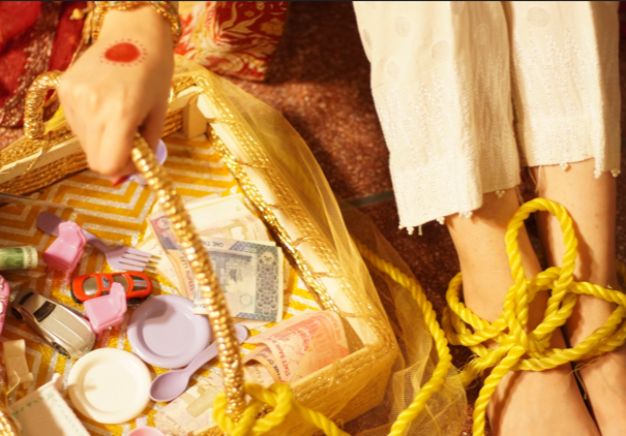
In our society, daughters are often called a blessing, but the reality for many Pakistani families tells a different story. Instead of focusing on their daughter’s education or confidence, many parents spend their lives stressed about saving up for a dowry. It’s a heavy burden, especially for those struggling financially, and it gets even harder when women face mistreatment in their new homes but feel they can’t return because of social pressure.Domestic conflicts happen for many reasons, but let’s be honest: toxic behavior doesn’t always need an excuse. Unfortunately, people are quick to blame "not enough dowry" for these issues. This mindset has basically made it okay to mistreat women, when the real problem is just greed and stuck-in-the-past traditions.So many women in Pakistan stay silent about abuse just to keep their marriage alive. They fear the social stigma of divorce or simply have no financial way out. It’s sad because the dowry that was supposed to be a gift of love often ends up being the very thing used against them when things go wrong.If a marriage does end, women often have to leave their in-laws' house with nothing, while the dowry stays behind. For parents who sacrificed everything to buy those items, it’s both a huge emotional blow and a massive financial loss. It turns what should be a partnership into a business deal where the woman is the one losing out.There is some hope on the legal front, though. Sharmila Faruqui recently introduced the “Dowry Prohibition Bill 2025” in the National Assembly. This bill wants to completely ban giving or taking dowries, with some serious consequences for anyone who breaks the law, like up to five years in jail and heavy fines. It even goes after marriage ads that mention property or money.A big part of this bill is making sure any wedding gifts legally belong to the bride. If anyone tries to keep them from her, they could go to prison. This is meant to replace the old 1976 law that didn't really work because it wasn't strictly enforced.But we have to remember that laws can’t fix everything on their own. We’ve had rules before, but the culture hasn't really shifted. Real change only happens when we realize that a woman’s worth isn’t tied to furniture or electronics. Her security comes from her education, her right to inherit, and being treated with genuine respect.At the end of the day, marriage should be about trust and getting along, not material things. Demanding a dowry doesn’t make a family look successful; it just puts unfair pressure on everyone and ruins relationships.Luckily, things are starting to change. New platforms like Dil Ka Rishta are helping people find partners based on shared values and actual compatibility rather than what they can bring financially. If we want better, healthier relationships for the future, we need to keep pushing for this kind of positive shift.

Read More
Chilam Joshi Festival: A Celebration of Culture, Colors, and Connections Social

Chilam Joshi Festival: A Celebration of Culture, Colors, and Connections

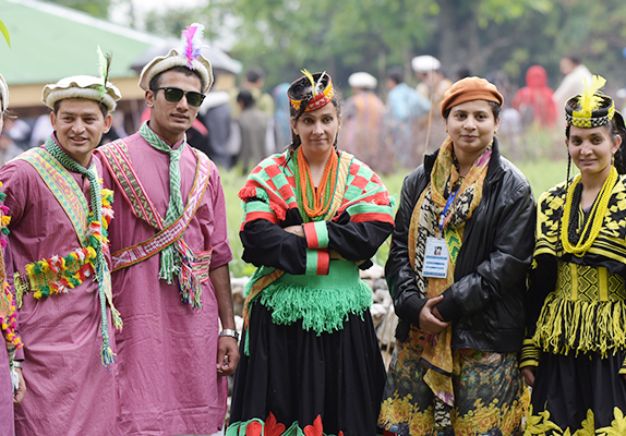
Pakistan is a land rich in cultural diversity, where vibrant traditions and festivals are celebrated throughout the year. Among the most fascinating is the Chilam Joshi Festival of Kalash Valley, one of the most colorful and unique cultural events in the country.This festival is a true reflection of joy, color, and cultural pride. Thousands of local and international tourists visit the Kalash Valley each year to witness this extraordinary celebration. Over time, Chilam Joshi has become a defining symbol of the Kalash identity, attracting people from around the world.One of the most unique aspects of Chilam Joshi is its role in matchmaking. Unmarried boys and girls often find potential life partners during the festival. As relationships are formed and marriages take place, the festival gradually comes to a joyful close. It’s a beautiful reminder of how culture and tradition bring people together not just for celebration, but for lifelong bonds.In many ways, Chilam Joshi is not just a festival; it’s a celebration of connection, belonging, and new beginnings. While traditions like these continue to bring people together in person, today’s world also offers modern ways to build meaningful relationships.Just as the Kalash community values finding the right life partner during their festival, platforms like the Dil Ka Rishta app are helping people create genuine connections beyond geographical boundaries. Blending tradition with technology, it allows individuals and families to find compatible matches with ease, trust, and understanding, carrying forward the same spirit of meaningful relationships in a modern way. Whether in the scenic valleys of Kalash or through a digital platform, the essence remains the same: finding the right connection that turns into a lifelong journey.

Read More
Love Beyond Borders: When Connections Matter More Than Distance Social

Love Beyond Borders: When Connections Matter More Than Distance

In today’s world, relationships are no longer defined by distance, location, or social boundaries. The idea of finding a life partner has evolved beyond traditional limitations. What truly matters now is the depth of connection between two people.  What matters most now is not where two people live, but how deeply they understand and connect with each other.A powerful example of this changing reality comes from Lower Dir, where a unique cross-border marriage story recently captured attention. A man from this region found his life partner beyond national boundaries, showing that genuine connections can form regardless of distance, language, or cultural differences. What makes such stories meaningful is not just their uniqueness, but the message they carry that when two people truly connect, barriers begin to lose their importance.For generations, relationships were shaped within limited circles of family networks, communities, and nearby cities. These boundaries often defined who we could meet and eventually marry. But today, those lines are slowly fading. What matters more now is not where someone lives, but how well two people understand, respect, and connect.Love can always cross borders, whether cultural, geographical, or social. The difference today is that people are more open to the idea of choosing companionship based on compatibility rather than convenience. A shared mindset, mutual respect, and emotional understanding are becoming stronger foundations for relationships than simply belonging to the same area or background.People are increasingly forming connections beyond their immediate surroundings. Families who once preferred matches within their own city are now open to proposals from different regions or even countries. This shift reflects a deeper acceptance that meaningful relationships are not limited by distance.At its core, this change is about human emotion. Love does not ask for location; it asks for sincerity. It grows through communication, trust, and shared values, things that borders cannot restrict. When two individuals truly connect, the miles between them begin to feel less significant.This evolving mindset is especially important for younger generations. They are redefining relationships by prioritizing emotional compatibility over traditional limitations. They believe that the right person is not necessarily the closest one geographically, but the one who understands them the most.While the world around us continues to change, one truth remains constant: love finds its way. No matter the distance, no matter the boundaries, when a connection is real, it naturally moves beyond them.

Read More
The Weight of Questions: How Society Shapes Our Personal Lives Social

The Weight of Questions: How Society Shapes Our Personal Lives

Every individual has the right to live life on their own terms. Yet, in our society, certain social behaviors unintentionally or sometimes knowingly make life more difficult for others. The words we casually throw into conversations can deeply affect someone already struggling, adding to their emotional burden rather than easing it.One of the most sensitive topics in our culture is marriage. Questions like “Why aren’t you married yet?”, “Why is your younger sibling married before you?” “What are you giving in dowry?” or “Why was the wedding so simple?” may seem harmless, but they often place unnecessary pressure on individuals. For women, especially, these questions can be deeply hurtful. Girls who are not married “on time” or whose younger siblings marry before them often face not only intrusive questions but also judgmental looks. Over time, this constant scrutiny can damage their self-esteem, leading to frustration, anxiety, and even serious emotional or physical stress.Even after marriage, the questioning does not stop; it simply shifts direction. Couples are quickly asked, “Any good news yet?” “When are you planning to have children?” “Is there a problem?”, or “Have you consulted a doctor?” Such questions invade personal boundaries and can be extremely painful, especially for couples dealing with private challenges.Sociologists often emphasize that marriage is not just about two individuals; it also involves the future of the next generation. That is why mutual understanding and consent between partners are essential before starting a family. Without this foundation, relationships may face conflict early on, sometimes even leading to separation. In such cases, while individuals may move on and rebuild their lives, the emotional impact on future generations cannot be ignored.Even when a couple is happily married with children, societal questioning rarely ends. People continue to ask, “Why don’t you feed your child this?” “Why didn’t you enroll them in that school?”, or “Don’t you plan to have more children?” Beyond marriage and parenting, similar intrusive questions arise in many areas of life. Instead of helping, these questions often worsen the struggles of those already facing difficulties.For instance, individuals who have gone through divorce often withdraw from social interactions altogether, simply to avoid reliving painful experiences through repeated questioning. What they need is understanding and support, not interrogation.As a society, it is important to reflect on our behavior. Instead of asking questions that may hurt or pressure others, we should offer empathy, respect, and genuine support. Sometimes, choosing silence over curiosity can be the kindest response.In today’s world, platforms like the Dil Ka Rishta app are designed to address many of these societal challenges. By giving individuals the freedom to choose their partners based on mutual understanding and compatibility, such platforms reduce the pressure created by traditional expectations. Users can connect, communicate, and make informed decisions at their own pace while still respecting family values and involvement.The app provides access to a wide range of verified, premium matches from different professions and backgrounds, both locally and globally. This empowers individuals to take control of their life choices, reducing the influence of societal pressure and unnecessary questioning.Ultimately, a healthier society begins with more mindful behavior. Respecting personal boundaries, avoiding intrusive questions, and supporting others in their journey can make a meaningful difference. And when it comes to life decisions like marriage, giving individuals the space to choose, just as platforms like Dil Ka Rishta encourage, can lead to more confident, happy, and fulfilling lives.

Read More
7 Mistakes in Married Life That Can Weaken Even Long-Term Relationships Social

7 Mistakes in Married Life That Can Weaken Even Long-Term Relationships

In today’s modern world, the length of a marriage is no longer a guarantee of its strength. Changing social trends, busy lifestyles, and evolving expectations have made it increasingly difficult to maintain stable and fulfilling relationships. Renowned relationship expert John Gottman, a leading authority on the science of human relationships, identifies key patterns that can predict a marriage's success or failure. According to his research, seven common mistakes can slowly damage even the longest relationships.One of the most common mistakes is failing to understand the depth of love and emotional needs. When partners remain unaware of each other’s feelings, dreams, and important life moments, the relationship becomes superficial. For instance, a husband forgetting his wife’s birthday may seem minor to him, but for her, it may signal a lack of emotional importance. Over time, such neglect creates distance.Another damaging habit is a lack of appreciation and respect. When one partner focuses only on flaws instead of acknowledging strengths, love begins to fade. Imagine a wife who constantly criticizes her husband without ever appreciating his efforts. This can make him feel undervalued, leading to resentment and emotional withdrawal.Ignoring your partner’s need for attention is equally harmful. In many relationships today, one partner may be physically present but emotionally absent, often distracted by mobile phones or work. When attempts to communicate are repeatedly ignored, the other person starts feeling unimportant, which weakens emotional intimacy.A serious issue arises when a partner’s opinions are dismissed. Relationships thrive on mutual respect and shared decision-making. If one partner consistently ignores the other’s views, such as in financial decisions, it creates a power imbalance, leaving the other feeling insignificant and unheard.Many couples also fall into the trap of avoiding conflict instead of resolving it. Small issues, when ignored, often grow into major disputes. For example, repeatedly delaying responsibilities like paying bills can lead to frustration and arguments, gradually damaging the relationship.Another critical mistake is ignoring perpetual or ongoing issues. Some differences, like opinions on children’s education or lifestyle choices, may never fully disappear. However, refusing to understand each other’s perspectives can turn these differences into constant sources of conflict, making the relationship toxic.Lastly, a lack of shared goals can make a marriage feel directionless. When couples stop working toward common objectives and begin living separate lives under the same roof, emotional connection fades. Spending less quality time together leads to a weakened bond and a sense of isolation.According to John Gottman, understanding and addressing these patterns can significantly strengthen a marriage. If we reflect on these principles within the context of Pakistani society, they also help explain the rising challenges in maintaining long-term relationships.In a time where finding the right partner is just as important as maintaining the relationship, platforms like Dil Ka Rishta play a meaningful role. By helping individuals and families connect based on compatibility, values, and long-term goals, such platforms encourage more thoughtful and informed matchmaking.Ultimately, a successful marriage is not just about finding someone; it’s about continuously nurturing the relationship with understanding, respect, and shared purpose. Take a moment to reflect on your own relationship and ask yourself: are any of these mistakes silently affecting your bond? Recognizing them early could be the key to building a stronger, more fulfilling partnership.

Read More