Categories

The Importance Of Family And Community In Ramadan And How It Is Celebrated In Pakistan Social

The Importance Of Family And Community In Ramadan And How It Is Celebrated In Pakistan

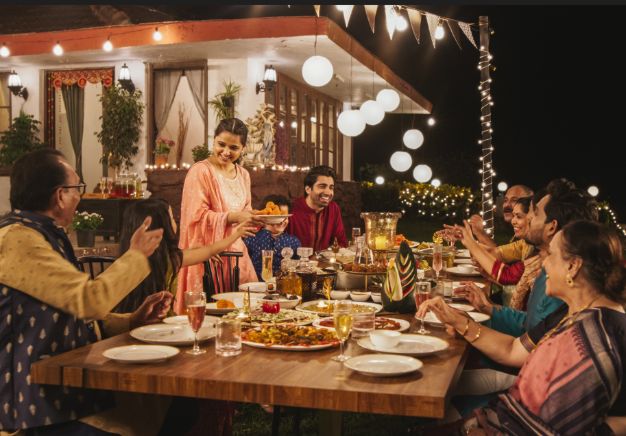
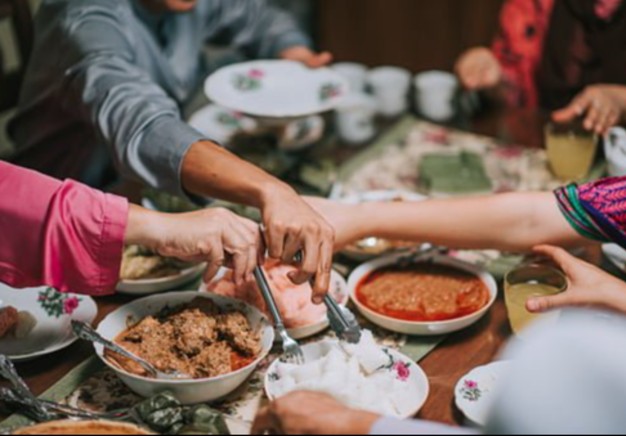
Ramadan is a time of reflection, spirituality, and community. For Muslims around the world, this holy month holds great significance in their daily lives. However, for Pakistanis, Ramadan means much more than just fasting from dawn to dusk. It’s a time when family and community come together to celebrate the blessings bestowed upon them by Allah Almighty. Let’s explore why family and community are such an integral part of Ramadan celebrations in Pakistan and how they make these festivities even more special!What is the importance of family and community in Ramadan? Ramadan is the month of fasting for Muslims all over the world. It is a time when people come together to worship Allah and celebrate their faith. The importance of family and community during this time cannot be overestimated.Families and communities come together to support each other during Ramadan. They offer words of encouragement and motivation, as well as practical help with things like preparing food and getting through the long days of fasting. This sense of togetherness is a key part of what makes Ramadan such a special time for Muslims.In Pakistan, Ramadan is a particularly important time for families and communities. It is a time when people put aside their differences and come together in the spirit of unity. Many special events and celebrations take place during Ramadan, which bring people even closer together.The importance of family and community during Ramadan cannot be overstated. This is a time when Muslims come together to worship Allah, celebrate their faith, and support each other through the challenges of fasting. In Pakistan, Ramadan is a particularly special time, when people from all walks of life come together in the spirit of unity and love. How is Ramadan celebrated in Pakistan?Ramadan is a special month for Muslims all over the world. It is a time when they focus on their faith and religious practices. For many, it is also a time to be with family and friends and to celebrate their culture and heritage.In Pakistan, Ramadan is celebrated with great joy and excitement. Families get together to pray, fast, and feast. The atmosphere is one of happiness and community spirit.One of the most important aspects of Ramadan in Pakistan is the food. During this month, Muslims break their fast at sunset with a special meal called Iftar. This meal is often shared with family and friends and can be a very lavish affair. Traditional Pakistani dishes such as Haleem, Nihari, and Biryani are often served, alongside sweet desserts like sheer khurma and falooda.Another important part of Ramadan in Pakistan is charity. Muslims are encouraged to give to those in need during this month, and many charities organize special fundraising events. This helps to create a real sense of community during Ramadan.Ramadan is a special time of year for Muslims, especially in Pakistan. It’s a month where families and communities come together to celebrate faith, family, and fellowship. The importance of family and community during this month cannot be overstated, as they support one another through fasting, feasting, and prayer. Ramadan is an opportunity to build relationships that can last a lifetime; it reinforces the values of generosity and compassion in kids from all walks of life. May Allah bless us all with peace, health, and happiness during this holy Month! 

Read More
A World of Traditions: Celebrating Ramadan Around the Globe Social

A World of Traditions: Celebrating Ramadan Around the Globe

Ramadan, the ninth month of the Islamic calendar, is a holy month observed by Muslims worldwide. It’s a time for deep reflection, spiritual growth, and community. While the core practices of fasting, prayer, and charity remain constant, Ramadan traditions take on a unique flavor depending on the region. Let’s embark on a journey to explore some of the vibrant ways Muslims celebrate Ramadan across the globe.Setting the Stage for Ramadan:In many countries, preparations for Ramadan begin weeks in advance. Homes are thoroughly cleaned, symbolizing a fresh start. Special Ramadan bazaars spring up in streets and squares, overflowing with dates, dried fruits, and delicacies to grace the Iftar table – the evening meal that breaks the fast.The Call to Prayer and Beyond:The Maghrib (sunset) call to prayer, signaling the end of the daily fast, is a unifying moment. In some countries like Turkey, drummers with traditional costumes announce Suhoor (pre-dawn meal) to wake people for their last meal before sunrise. In Indonesia, a cleansing ritual called “padusan” helps prepare for the holy month both physically and spiritually.A Feast for the Senses: Iftar DelightsIftar is a social and celebratory event. Families and friends gather to break the fast with dates, often followed by a light meal and then a heartier dinner. Dishes vary widely depending on regional cuisines. In Morocco, fragrant tagines take center stage, while in Indonesia, families relish kolak, a sweet coconut milk soup. In Egypt, Fanoos lanterns, beautifully crafted and brightly lit, illuminate streets and homes, creating a magical atmosphere.Community and Charity: Pillars of RamadanRamadan is a time for heightened generosity and compassion. Muslims are encouraged to give Zakat (obligatory charity) to assist the less fortunate. Community iftars are organized in mosques and public spaces, fostering a sense of togetherness. Children participate in traditions like “Haq Al Layla” in the UAE, singing for sweets and strengthening community bonds.The Night of Power and the Road to EidLaylat al-Qadr, the Night of Power, is believed to be the night the Quran was revealed to Prophet Muhammad. Mosques stay open late for extended prayers and spiritual reflection. The last ten days of Ramadan are particularly sacred, and many Muslims intensify their prayers and devotions.The Joy of Eid al-Fitr: Celebrating the End of RamadanEid al-Fitr, the joyous festival marking the end of Ramadan, is a time for celebration and family gatherings. New clothes are donned, gifts are exchanged, and special Eid prayers are offered. Mouthwatering sweets like baklava and dates grace the table, symbolizing the sweetness of victory after a month of fasting and self-discipline.Beyond Borders: A Shared ExperienceDespite the rich diversity of Ramadan traditions, a sense of unity and shared purpose binds Muslims worldwide. It’s a month for self-improvement, strengthening family ties, and giving back to the community. Whether it’s the illuminating Fanoos lanterns of Egypt, the rhythmic drumbeats announcing Suhoor in Turkey, or the vibrant community iftars, these traditions add a unique layer to the universal experience of Ramadan.This glimpse into Ramadan traditions highlights the beauty of Islam’s global tapestry. As Muslims come together across continents and cultures, Ramadan serves as a powerful reminder of our shared humanity and the values of compassion, faith, and community.

Read More
Modern Marriage Challenges — And the Smarter Way to Find a Life Partner Social

Modern Marriage Challenges — And the Smarter Way to Find a Life Partner

Marriage has always been considered a lifelong commitment, but in today’s fast-changing world, many relationships struggle to survive for the long term. The reasons are complex and deeply connected to modern lifestyles, shifting values, and evolving social norms. While love remains important, sustaining a marriage now requires more awareness, emotional maturity, and careful decision-making than ever before.One major reason marriages do not last long today is the rise of the temporary relationship culture. Many people enter relationships without clear intentions or long-term goals. Casual dating trends have normalized short-term emotional attachments, which often weaken the seriousness of commitment. When individuals are not mentally prepared for lifelong responsibility, marriage becomes fragile from the very beginning.Another significant factor is poor communication and a lack of emotional intelligence. Couples often struggle to express their feelings respectfully or resolve conflicts maturely. Small misunderstandings turn into major disputes because partners may not know how to listen, compromise, or empathize. In earlier generations, patience and adjustment were emphasized, whereas today, immediate reactions and ego clashes often damage relationships.Unrealistic expectations also play a powerful role. Social media portrays idealized versions of love and luxury, creating pressure for “perfect” marriages. When real life does not match these filtered standards, disappointment grows. Many couples forget that marriage is built on effort, sacrifice, and shared growth, not constant excitement.Family and societal pressures further complicate matters. In many cases, marriages happen due to age pressure or external expectations rather than genuine compatibility. When emotional, intellectual, and lifestyle alignment is not carefully assessed beforehand, problems appear after marriage. Financial stress and career priorities also add tension, especially when couples do not align their future goals in advance.This is where Dil Ka Rishta offers a meaningful solution. Unlike casual dating platforms, Dil Ka Rishta focuses purely on serious matchmaking for marriage. It brings together individuals who share the intention of lifelong commitment, reducing confusion and emotional games. The platform encourages transparency and even family involvement, which builds trust from the beginning, an essential aspect in our cultural context.Dil Ka Rishta provides detailed profiles that highlight education, religious values, lifestyle preferences, and future goals. This structured approach helps individuals assess compatibility before moving forward. Through its VIP matchmaking services, personalized guidance ensures that matches are thoughtful rather than random, increasing the chances of long-term success.Strong marriages are not built by chance; they are built on understanding, patience, shared values, and clear intentions. In today’s complicated social environment, finding the right partner requires more than hope; it requires the right platform and responsible decision-making. Dil Ka Rishta aims to restore the essence of meaningful commitment, helping individuals build marriages that are not temporary, but lasting partnerships based on trust and compatibility.

Read More
The Rising Trend of Second Marriages: Causes, Concerns, and Modern Matchmaking Social

The Rising Trend of Second Marriages: Causes, Concerns, and Modern Matchmaking

In recent years, an interesting and often debated social trend has emerged: a significant number of married men express a desire to remarry. While this topic can be sensitive, it reflects deeper emotional, cultural, and personal realities that deserve thoughtful discussion rather than judgment.There are several reasons behind this growing inclination. In some cases, emotional dissatisfaction plays a role. Marriage, like any long-term commitment, requires effort, understanding, and continuous communication. When emotional needs are neglected or misunderstandings remain unresolved, individuals may begin to seek companionship elsewhere. Rather than addressing gaps within the relationship, some men consider remarriage as a solution to unmet expectations.Another factor is compatibility issues. Over time, differences in goals, lifestyle, values, or communication styles may become more prominent. Some men feel that their current relationship no longer aligns with their personal growth or plans. Instead of working through these challenges constructively, the idea of starting fresh can appear more appealing.Cultural and societal influences also contribute. In certain communities, second marriages are socially accepted, particularly in situations involving childlessness, family pressure, or economic stability. Sometimes, external encouragement from family or peers can reinforce the belief that remarriage is a practical option.Additionally, emotional loneliness can exist even within marriage. A lack of appreciation, emotional support, or companionship may lead some men to feel disconnected. Rather than seeking counseling or rebuilding emotional intimacy, remarriage may seem like an easier path to regain attention and validation.However, the real solution is not always starting over; it is starting right.This is where Dil Ka Rishta plays a transformative role. Instead of encouraging quick decisions or surface-level attraction, the platform focuses on thoughtful, compatible, and serious matchmaking from the very beginning. The goal is not just to arrange marriages, but to help build relationships that last.Dil Ka Rishta emphasizes compatibility beyond appearances. It allows individuals to filter matches based on education, family background, religious values, profession, city, and long-term expectations. When two people connect through clarity and shared understanding, the foundation becomes stronger. A well-matched partnership reduces future misunderstandings and strengthens emotional stability.Another key factor in lasting marriages is transparency. Dil Ka Rishta promotes honest profiles and clear intentions. When both individuals know why they are there for marriage, not casual interaction, it creates a sense of seriousness and respect. This clarity from the start minimizes confusion and unrealistic expectations later.The idea is simple: when the right match is made thoughtfully and responsibly, the need for a second marriage rarely arises. A relationship built on compatibility, communication, and shared values has the strength to overcome challenges. Instead of searching for a replacement later, it is wiser to choose carefully at the beginning.

Read More
Not “Rishta Parade” Anymore — It’s the Era of a New Mindset Social

Not “Rishta Parade” Anymore — It’s the Era of a New Mindset

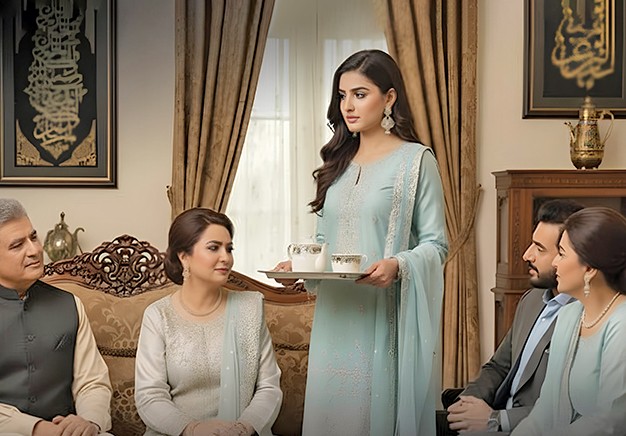
In Pakistan, the culture of the “rishta parade” is nothing new. Almost every family has experienced it at some point: the boy’s family visits for tea, the girl is formally introduced, questions are asked, polite smiles are exchanged, and then comes the familiar line “We’ll think about it.” Sometimes there is a follow-up call; sometimes there is silence. This entire process is not only filled with lengthy formalities but also carries significant emotional pressure for everyone involved.But times are changing. The digital era has introduced a new mindset to this traditional system of matchmaking. Rishta apps, such as Dil Ka Rishta, are transforming the old-fashioned “parade” into a modern, safe, and convenient experience.In earlier days, the rishta meeting was almost like a social event. The girl’s family would prepare the house, guests would arrive, the girl would dress up carefully, and over a cup of tea, conversations would quietly shape her future. Many young women found this process awkward and stressful because they felt judged in just a single meeting. Decisions were often made based on first impressions rather than meaningful compatibility.Although society has evolved, for many families, this traditional system still remains the default approach where privacy, compatibility, and mutual understanding sometimes take a back seat. Today, however, people are increasingly turning to mobile apps to search for life partners, where they have greater control, choice, and comfort in the process.Dil Ka Rishta App is among Pakistan’s leading matrimony platforms that aims to make matchmaking serious, genuine, and secure. With verified profiles, safe communication channels, and advanced matchmaking filters, the app provides a structured yet flexible environment for finding a compatible partner.On Dil Ka Rishta, every profile goes through a verification process to minimize fake accounts and scams. Users are not required to share personal information unless they feel comfortable doing so. This ensures privacy and builds trust, something that is often missing in traditional rishta settings.Gone are the days of waiting for weekend tea meetings and unexpected guests. Through smart filters, users can search for potential matches based on profession, education, age, lifestyle, and other preferences. Whether you are a working woman, a student, or an overseas Pakistani, the app provides equal opportunity for everyone to find their ideal match.Another key benefit is the safe chat feature, which allows individuals to communicate and understand each other before involving families. This creates space for natural connection and genuine compatibility without the pressure of a formal tea meeting. Conversations can grow organically, leading to more thoughtful and informed decisions.While Dil Ka Rishta uses modern technology, it remains deeply respectful of Pakistani culture and family values. It bridges the gap between tradition and innovation, keeping the essence of arranged marriages intact while removing unnecessary stress and emotional strain.The era of the “rishta parade” is gradually giving way to a new way of thinking, one that prioritizes dignity, privacy, compatibility, and informed choice. In this new digital age, finding a life partner no longer has to feel like a performance. It can be a thoughtful, empowering, and meaningful journey toward a happy marriage.

Read More
Dil Ka Rishta: A Digital Identity for Serious and Meaningful Relationships Social

Dil Ka Rishta: A Digital Identity for Serious and Meaningful Relationships

A relationship is never just a connection between two individuals; it is a strong bond between families, values, and life journeys. Understanding this sensitive reality, Dil Ka Rishta was created to ensure that the process of finding a life partner goes beyond screens and algorithms, and is rooted in trust, respect, and sincere intentions.At a time when many platforms promote casual interactions and unclear commitments, Dil Ka Rishta stands apart with a clear promise: every step is taken with honesty and seriousness of purpose. The profiles on the platform are carefully verified to ensure authenticity while respecting cultural values and social compatibility, which are essential for long-lasting relationships.Dil Ka Rishta allows users to search for suitable matches based on their personal preferences, including education, profession, age, and family background. Its simple, secure, and user-friendly interface offers a calm and positive experience, where privacy and confidentiality are treated as top priorities.For individuals seeking a more focused, personalized approach, the Dil Ka Rishta VIP Service offers an effective solution. With dedicated matchmaking assistance, access to a curated selection of profiles, and complete discretion, the VIP service makes the journey of finding a life partner both dignified and efficient.If you are searching for a trustworthy platform to make one of the most important decisions of your life, Dil Ka Rishta is the right choice. Because here, relationships are not just created, they are meant to last.

Read More
Basant in Lahore: When Colors Rise and Hearts Connect Social

Basant in Lahore: When Colors Rise and Hearts Connect

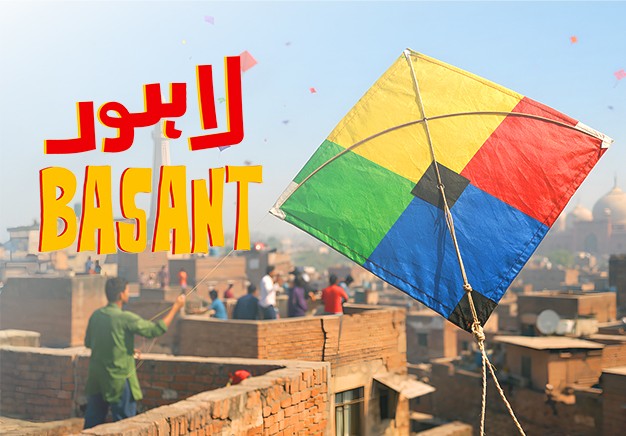
Lahore has always been a city that celebrates life with passion, and Basant is one of its most unforgettable expressions. As winter loosens its grip, the skies above Lahore burst into color with thousands of kites dancing freely in the spring air. Rooftops fill with laughter, music, traditional food, and the unmistakable joy that only Basant can bring. It is not just a festival, it is an emotion deeply woven into the cultural soul of the city.Basant represents renewal, hope, and new beginnings. Families gather on rooftops, friends reconnect, and strangers exchange smiles as the sky becomes a shared canvas of colors. In these moments, barriers fade, and connections feel effortless. The festival reminds us how traditions have the power to bring people closer, creating bonds that go beyond routine life.At its heart, Basant is also about togetherness. It is about sharing moments, understanding one another, and celebrating the harmony values that lie at the core of every meaningful relationship. Just as a kite needs balance and the right thread to soar high, relationships need trust, patience, and the right foundation to last.This is where Dil Ka Rishta naturally fits into the spirit of Basant. In a world where finding a sincere life partner has become increasingly complex, Dil Ka Rishta offers a space built on trust, respect, and serious intentions. Much like Basant brings people together through tradition and joy, Dil Ka Rishta connects individuals and families through shared values and a clear purpose.As Lahore’s skies fill with color and hope during Basant, many hearts quietly dream of a future filled with companionship and understanding. Dil Ka Rishta helps turn those dreams into reality by providing a secure and dignified platform for finding meaningful relationships. Because while festivals create memories for a day, the right relationship creates happiness for a lifetime.In the city of kites, colors, and timeless traditions, Basant reminds us that connections matter. And with Dil Ka Rishta, those connections can grow into bonds meant to last well beyond the season of spring.

Read More
Exploring the Emotional Toll of Divorce on Children and Parents Alike Social

Exploring the Emotional Toll of Divorce on Children and Parents Alike

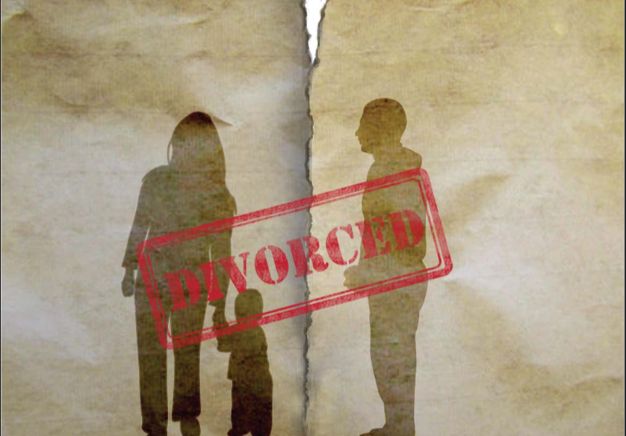
Divorce is never easy, and the toll it takes on a family can be immense. It’s not just the end of a marriage, but also the end of a way of life that children and parents have known. The emotional effects can be long-lasting, and navigating through them isn’t always easy. In this blog post, we’ll explore how divorce affects both children and parents alike. We’ll discuss the ways in which society plays a role in this process as well as offer some tips on how to help children cope with these changes.How divorce affects childrenA divorce is a life-changing event for children, and its effects can be long-lasting. Children of divorce may experience a range of emotions, including sadness, anger, confusion, guilt, and anxiety. They may also face challenges in maintaining relationships with both parents after the separation.One way that divorce affects children is by disrupting their sense of stability and security. When parents separate or divorce, it can uproot a child’s daily routine and leave them feeling uncertain about what will happen next.Divorce can also have an impact on a child’s academic performance. Research has shown that children whose parents are divorced are more likely to struggle in school than those from intact families.Children may also feel caught in the middle of their parent’s conflicts during and after the divorce process. This can create stress for them as they try to navigate their own feelings while dealing with the demands of their parents.In addition to these emotional effects, divorce can also lead to financial instability for some families. The loss of income or assets due to separation or legal fees could cause significant changes in lifestyle for children who were used to certain comforts before the split.There is no doubt that divorce takes an emotional toll on children that lasts well beyond childhood into adulthood.How divorce affects parentsDivorce can be an incredibly emotional and trying experience for parents as well. In addition to the pain of ending a marriage, they may also face financial struggles, custody battles, and social isolation.One of the most significant impacts on parents is the feeling of failure. Many feel like they have let themselves and their children down by not being able to make their marriage work. This can lead to feelings of guilt, shame, and low self-esteem.Divorcing parents may also struggle with loneliness or isolation as they adjust to life without a partner. They may lose friends or feel ostracized from social circles due to their new status as a single parent.Financial stress is another common issue faced by divorcing parents. The cost of legal fees, splitting assets or property, and supporting two households instead of one can create significant financial strain.Co-parenting after divorce can be challenging, especially when disagreements arise over parenting styles or major decisions regarding the children’s upbringing. Communication breakdowns between ex-spouses could cause additional tension that might affect both parties’ mental health negatively.Divorce affects everyone involved in different ways – including parents who must navigate through difficult emotions while still prioritizing their children’s needs during this difficult time.The emotional toll of divorce on the familyDivorce is a major life transition that significantly impacts the emotional well-being of everyone involved, especially the children. It can cause feelings of sadness, anger, confusion, and fear for both parents and children. Divorce can create a sense of loss and uncertainty about their future.For many families, divorce brings an end to years or even decades of shared experiences. The process can be emotionally draining as it involves making difficult decisions and uprooting established routines. Children may feel like they are losing one parent or both, leading to feelings of abandonment.The effects on family relationships cannot be underestimated either. The dynamics between parents often change after divorces – some become estranged while others develop healthier co-parenting relationships. However, these changes take time to establish which means that there might be temporary chaos in the household.In addition to this emotional turmoil within the family unit itself, outsiders such as extended family members may also experience pain due to changing relationship dynamics with the couple or child/children involved.It’s important for families going through divorce to seek support from counselors who specialize in helping families cope with transitions such as separation and divorce. This helps individuals navigate their emotions during this challenging period while also providing guidance on how best they can support each other moving forward.The role society plays in itWhen it comes to the impact of divorce on children and parents, society plays a vital role. While family members are going through the emotional stress caused by separation, they also have to deal with societal pressures and expectations.One way society affects families is by stigmatizing divorce. Divorce can be perceived as a failure to maintain a relationship or seen as the breaking up of the traditional family structure. Children may feel ashamed or embarrassed about their family situation, which can make them hesitant to open up about their feelings.Another aspect is support systems. Society has a responsibility to provide adequate resources for children undergoing this traumatic event in their lives. Schools should offer counseling services and mental health support for students dealing with parental separation. Communities can also organize events that bring together divorced families so that they don’t feel isolated or alone.Additionally, media portrayals of divorce can influence how people perceive it. The way movies or TV shows depict divorces set unrealistic expectations about how easily individuals recover from such an event. It’s important not only that we acknowledge but also represent all stages and steps involved in the process of coping with divorce authentically.Society has both positive and negative influences on how individuals navigate through familial separations like divorces; therefore, we must strive towards creating an inclusive culture where everyone feels supported during these challenging times instead of ostracized or judged because no one knows what goes behind closed doorsHow to help children cope with divorceIt’s clear that divorce can be a challenging experience for both children and parents. It’s important to remember that there is no right way to feel during this time, and everyone copes differently.If you’re a parent going through a divorce or have already gone through one, it’s crucial to prioritize your child’s well-being. Encourage open communication and validate their feelings. Seek professional help if necessary, such as counseling or therapy.It’s also essential to maintain routine and consistency for your child, even amidst the changes of separation. Try to avoid putting them in the middle of any conflict between you and your ex-partner, as this can cause additional stress.As society continues to evolve, we must recognize the impact of divorce on families and work towards creating more resources for those experiencing it. By supporting each other through these difficult times, we can ensure that our children grow up feeling loved and secure despite the challenges they may face along the way.

Read More
Between Tradition and Reality: The Marriage Struggle in Pakistan Social

Between Tradition and Reality: The Marriage Struggle in Pakistan

Marriage in Pakistan has always been considered a sacred bond rooted in family values, traditions, and social responsibility. Yet in today’s fast-changing world, this once-smooth journey has become full of hurdles, especially for young people who genuinely want to settle down but feel stuck in the process.One of the biggest challenges is financial pressure. Rising inflation, unemployment, and unrealistic expectations around weddings have turned marriage into a costly affair. From lavish functions to heavy dowries, the fear of expenses often delays marriages for years, even when both families agree on the match.Another major hurdle is unrealistic expectations. Social media has reshaped perceptions of “perfect” spouses' ideal looks, high income, foreign nationality, or elite background. These standards ignore compatibility, character, and emotional maturity, making it difficult for sincere rishtay to move forward.Family interference and rigid traditions also play a strong role. Caste, sect, status, and “log kya kahenge” often overshadow personal happiness. Many suitable proposals are rejected not because of real issues, but due to societal labels that no longer fit modern realities.Then comes the issue of trust. In an era of dating apps and unverified online profiles, families fear deception and mismatches. This lack of transparency creates hesitation, prolonged rishta processes, and repeated disappointments, especially for women, who often face added age-related pressure.This is where Dil Ka Rishta App offers a refreshing solution. Designed for serious marriages, not casual dating, Dil Ka Rishta focuses on verified profiles, cultural compatibility, and respectful matchmaking. It bridges the gap between tradition and technology, giving families and individuals a safer, more dignified platform to find genuine rishtay.Instead of endless searching, awkward introductions, and social stress, Dil Ka Rishta simplifies the process with trust, clarity, and purpose. Because marriage should be about understanding and companionship, not hurdles and heartbreaks.In a society where finding the right rishta has become harder than ever, platforms like Dil Ka Rishta are not just apps; they are a much-needed support system for those who still believe in meaningful marriages.

Read More
Marrying a Divorcee: Problematic or Progressive? Social

Marrying a Divorcee: Problematic or Progressive?

In Pakistani society, marriage is considered a sacred institution that binds two individuals together for life. However, what happens when one of those individuals is a divorcee? While this may not seem like a big deal in some parts of the world, it can be a sensitive and controversial topic in Pakistan due to societal and religious differences. In this blog post, we will explore the challenges faced by divorcees looking to remarry in Pakistan and how these issues are being addressed by society and religious institutions. So sit tight as we navigate this complex issue with an open mind!What are Pakistani societal and religious differences?Pakistani societal and religious differences can be quite complex. In Pakistan, there is a strong preference for women to marry within their own social class and religion. This can make it difficult for a woman who is divorced to find a new husband, as she may be seen as being “damaged goods.” There are also strict gender roles in Pakistani society, with women expected to be submissive to their husbands and not pursue any sort of career or education.How do these differences affect marrying a divorcee?There are a number of Pakistani societal and religious differences which can affect marrying a divorcee. Firstly, in Pakistan it is generally considered taboo for a woman to marry someone who has been previously divorced. This is due to the fact that divorce is seen as a sign of failure in Pakistan, and women are often blamed for the breakdown of marriages. As such, divorcees are often looked down upon by society and may find it difficult to find another partner. Additionally, even if a woman is able to find someone willing to marry her, she may still face opposition from her family and friends.What are the pros and cons of marrying a divorcee in Pakistan?There are a number of pros and cons to marrying a divorcee in Pakistan. On the plus side, divorcees are generally more experienced and mature than women who have never been married before. They may also be more independent and have a better understanding of what it takes to make a marriage work. However, there are also some potential drawbacks to marrying a divorcee. In some cases, divorced women may be less likely to want to remarry or may have difficulty trusting men again. There may also be financial or family issues that need to be considered before marry a divorcee in Pakistan.How to know if you are ready to marry a divorcee in Pakistan?Aside from the legal implications, there are also Pakistani societal and religious differences to take into account when marrying a divorcee. In Pakistan, it is generally frowned upon for a man to marry a woman who has been divorced, as it is seen as dishonorable. This is especially true if the woman was divorced by her husband; if she divorced him, it is assumed that she must have done something to deserve it. Therefore, if you are a man considering marrying a Pakistani divorcee, you would need to be prepared to deal with potential disapproval from your family and community.In conclusion, the societal and religious differences in Pakistan when it comes to marrying a divorcee should be taken into consideration. There are many factors that influence whether or not a marriage between two people would be accepted in Pakistani society, such as their family’s beliefs, religion and culture, and social traditions. It is important for couples to understand these nuances before entering into any kind of marital arrangement. By understanding what is expected from them in terms of both social acceptance and religious observance, people can ensure that their union will be all the more harmonious. 

Read More
Inbreeding or Tradition? The Debate Surrounding Marriage between Cousins in Pakistan Social

Inbreeding or Tradition? The Debate Surrounding Marriage between Cousins in Pakistan

When it comes to marriage, many people believe that love should be the only factor that matters. However, in Pakistan and other parts of the world, tradition often trumps personal preference. One controversial tradition is marriage between cousins – a practice that has been both celebrated and criticized for centuries. There’s an ongoing debate surrounding inbreeding versus tradition when it comes to cousin marriages in Pakistan. In Pakistan, it is estimated that 60% of marriages are between first cousins, although the practice is declining. There are several reasons for this preference, including cultural norms and the desire to keep property within the extended family.The debate surrounding cousin marriage in Pakistan is complex. On one hand, some believe that the practice should be discouraged due to its potential negative consequences. On the other hand, some see it as a tradition that should be respected. The younger generation in Pakistan is torn between upholding tradition and breaking away from outdated customs. On one hand, many young people see arranged marriages between cousins as a way to keep families close-knit and preserve cultural traditions. On the other hand, there is a growing movement of young Pakistanis who are pushing for change and more liberal values when it comes to marriage.Still, cousin marriages are a lot more common in Pakistan than we think they are. While more public scrutiny in urban areas may be discouraging some young people from entering the industry, much work remains to be done in rural areas. Rather than wasting time and energy looking for acceptable partners outside of the “baradari,” many parents opt to wed their children to relatives who live nearby. Parents desire intermarriages because they are afraid their children will have a bad name or be excommunicated if they marry someone from outside the group. This works wonderfully for families that want to keep their social strata intact. Also, it is normal practice for one cousin (often the female) to be offered in exchange for monetary compensation, agricultural land, or a safe place to live when two cousins get married.Pakistani bridal this picture was taken at wedding ceremony.There are a number of reasons why cousin marriages should be eradicated in Pakistan. First and foremost, cousin marriages increase the risk of genetic defects and birth defects. According to the National Society for Genetic Counselors, children of first-cousin marriages have a 2-3 percent higher risk of birth defects than children of unrelated parents. This is because first-cousin couples share more than just DNA; they also share similarities in physical appearance, personality, and even health conditions.Secondly, cousin marriages can lead to social isolation and exclusion. Families who marry within their own extended family often do so because they want to keep their wealth and status within the family. This can lead to other families feeling excluded from the inner circle, which can lead to social tensions and even conflict.Furthermore, cousin marriages can have negative economic effects. Families who marry their daughters off to their cousins often do so because they cannot afford dowries for more eligible bachelors. This puts an unfair financial burden on the families of girls who are forced into these marriages. Additionally, it promotes gender discrimination, as women are seen as nothing moreSo what can be done to eradicate cousin marriage in Pakistan? One option is to educate people about the potential risks and disadvantages of cousin marriage. Another option is to provide financial incentives for couples who choose not to marry their cousins. Or the government could outlaw cousin marriage altogether!There is no easy answer when it comes to the question of what should be done to bring awareness to the practice of inbreeding, or marriage between cousins, in Pakistan. The debate surrounding marriages between cousins in Pakistan is likely to continue for some time. While there are valid concerns about the risks involved, many people continue to see this practice as a part of their cultural heritage. 

Read More
Assessing The Increase In Divorce Rates In Pakistan: What Can Be Done To Reverse The Trend? Social

Assessing The Increase In Divorce Rates In Pakistan: What Can Be Done To Reverse The Trend?

Divorce rates have been increasing in Pakistan in recent years, leading to a worrying development for the country. The traditional concept of marriage is slowly being replaced by a culture that is more accepting of divorce. This can have serious consequences for families as well as society at large. The sacredness of Marriage in Pakistani societyMarriage holds a special place in Pakistani culture. It is an event that is joyfully and enthusiastically celebrated by both family and friends. Marriage is celebrated as the joining of two households, and it is expected that the couple will remain together for the rest of their lives. Thus, divorce is stigmatized since it’s seen as a failure of the marriage institution.With that being stated, there has been a steady increase in the rate of divorce in Pakistan over the past few years. While the exact numbers are difficult to come by, it is estimated that the rate of divorce has quadrupled in Pakistan over the past decade.Reasons why the divorce rate is highThere are many reasons why the divorce rate is high in Pakistan. One reason is that women are not given the same rights as men, and this can lead to conflict within a marriage. Another reason is that arranged marriages are still common in Pakistan, and this can put a strain on a relationship if the couple does not have a strong connection from the start. Additionally, financial difficulties can also lead to divorce, as can domestic violence.In order to reverse the trend of increasing divorce rates in Pakistan, it is important to address the underlying causes of marital discord. This includes working to promote gender equality and giving women more control over their lives, as well as working to reduce financial stressors for couples. Additionally, education about healthy relationships can help couples build stronger bonds from the start, which may help reduce the likelihood of divorce down the line.What can be done to prevent itMany measures might be taken to curb Pakistan’s rising divorce rate. As a first step, the government may offer additional assistance to struggling families and couples. Help in this area could come in the form of grants, therapy sessions, or relationship conflict resolution courses. Second, clergy members have an opportunity to encourage societal support for marriage and families. They might suggest that troubled couples get counseling instead of splitting up when they’re having problems communicating with one another. Finally, civil society organizations can help families going through a divorce by raising public awareness of the issue and its effects.It is essential that all stakeholders work together to create a society where families can stay together and relationships remain strong.  

Read More